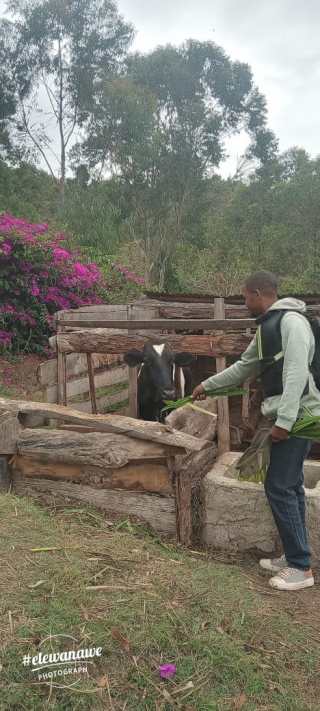
Story of Cattle Rearing in Brazil
Cattle rearing in Brazil is more than just an agricultural activity it is a way of life deeply woven into the country’s history, economy, and culture. Across the vast plains and tropical regions of this South American giant, millions of cattle graze under the open sky. Brazil stands as one of the largest beef producers and exporters in the world, yet behind this success lies a complex story of dedication, challenges, modernization, and resilience.
In the green fields of Mato Grosso, a rancher named João Pereira starts his day before sunrise. His family has been in cattle rearing for three generations, turning rough land into productive pastures. As he sips his coffee, João looks out over his herd of Nelore cattle—a breed well known in Brazil for its ability to survive the heat and thrive on native grass. For João, every animal represents not just a source of income but also the hard work and patience that define the life of a Brazilian cattle farmer.
Brazil’s cattle industry is enormous, with over 200 million head of cattle spread across its states. The main regions for cattle production include Mato Grosso, Goiás, Minas Gerais, and Mato Grosso do Sul. The country’s vast natural pastures, warm climate, and strong agricultural tradition make it ideal for raising livestock. Most farms combine traditional grazing systems with modern technologies that improve animal health, growth, and productivity.
João’s story reflects this balance between the old and the new. In his early years, his father managed the ranch with simple methods—natural grazing, manual herding, and basic veterinary care. But in recent years, João has adopted new techniques such as rotational grazing, artificial insemination, and pasture management systems that ensure better yields. He works closely with agricultural extension officers and uses mobile apps to track the health and feeding schedules of his cattle. These innovations have improved both the quality and quantity of beef produced on his ranch.
However, cattle rearing in Brazil is not without its challenges. One major issue faced by farmers like João is fluctuating market prices. The cost of feed, vaccines, and maintenance often rises faster than beef prices, reducing profit margins. In addition, small-scale ranchers sometimes struggle to access credit facilities or modern equipment, making it difficult to compete with large agribusinesses. Despite these economic pressures, many ranchers stay in the business out of passion and tradition.
Environmental sustainability is another important concern in Brazil’s cattle industry. The country’s beef production has often been linked to deforestation in the Amazon, as new grazing land is created by clearing forests. In recent years, the government and private sector have taken strong measures to address this issue. Programs promoting sustainable ranching encourage farmers to use degraded land instead of cutting down new forest areas. João, like many responsible farmers, practices rotational grazing and plants trees around his property to protect soil and biodiversity.
Animal welfare and health standards are strictly monitored. Brazilian cattle farmers must follow national regulations for vaccination, disease control, and animal transport. The Ministry of Agriculture, Livestock, and Food Supply (MAPA) ensures that meat exported to global markets meets international health and quality standards. This strict system has helped Brazil gain trust as a reliable supplier of beef to countries across Asia, the Middle East, and Europe.
João remembers the pride he felt when his ranch first supplied cattle to a cooperative that exported beef to China. For him, it was a reward for years of hard work and compliance with quality standards. Yet, he also understands that such opportunities come with responsibilities. Maintaining good records, keeping his pastures clean, and ensuring animal welfare have become part of his daily routine.
The social aspect of cattle rearing in Brazil is equally significant. Rural communities depend heavily on livestock for employment and food security. Families work together—men often manage herding, while women handle record-keeping and dairy production. Children grow up learning the skills of the trade, ensuring that cattle farming continues from one generation to the next. Community cooperatives play a major role in supporting small farmers through shared equipment, training programs, and marketing assistance.
In recent years, Brazil has seen growth in specialized cattle farming. Some farmers focus on dairy production, while others raise high-quality beef breeds such as Angus and Hereford for premium markets. The dairy sector has gained attention as farmers adopt modern milking systems and quality testing to improve local milk products. João’s cousin, for example, switched from beef to dairy farming, producing organic milk and cheese that are now sold in local supermarkets.
Climate change presents a growing concern for cattle farmers. Prolonged droughts in some regions reduce pasture quality, forcing ranchers to buy expensive feed or reduce herd size. To adapt, farmers are investing in irrigation systems, improved pasture varieties, and silage storage for dry seasons. These adjustments help stabilize production and reduce the environmental footprint of livestock farming.
The Brazilian government continues to promote innovation in livestock management through research institutions like Embrapa (Brazilian Agricultural Research Corporation). This organization develops new technologies to enhance productivity while minimizing environmental harm. Genetic improvements in cattle breeds, efficient feeding techniques, and carbon-reduction strategies are all part of the country’s future livestock vision.
For João, cattle rearing is not just about business it is about legacy. His ranch tells the story of his ancestors who tamed the land, the progress of modern science that makes ranching more sustainable, and the spirit of endurance that keeps him moving forward despite challenges. Every year, during the dry season, he gathers his family and workers to celebrate the success of their herd. They share roasted beef, traditional music, and laughter, reminding themselves that farming is not only about profits but about connection to the land and to one another.
Cattle rearing in Brazil continues to evolve, blending tradition with innovation. The country remains one of the global leaders in beef production because of its hardworking farmers, supportive institutions, and commitment to sustainability. Yet, as João’s story shows, the heart of Brazilian ranching lies in its people—their patience, knowledge, and love for their animals.
In the vast fields where the sound of cattle bells mixes with the rustling wind, Brazil’s farmers continue their timeless work. It is a story of perseverance, pride, and progress a story that reminds the world that even when returns are uncertain, dedication to the land and animals always brings true reward.
Discover more from Lifestyle
Subscribe to get the latest posts sent to your email.
