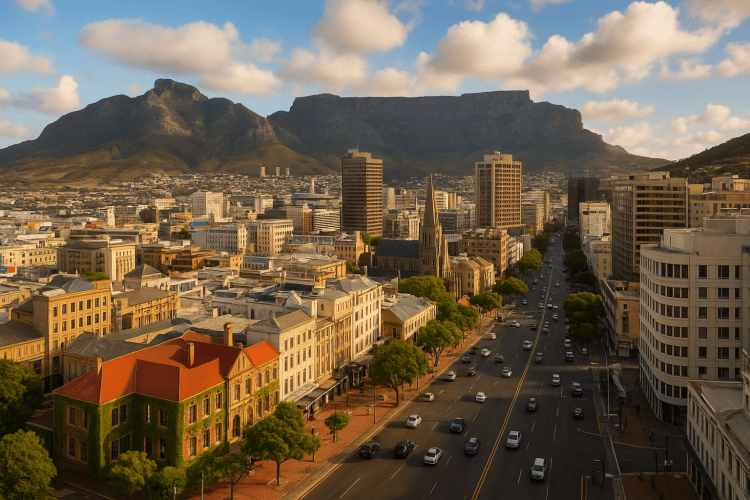
South Africa’s Economy, Development, and the Well-being of Its People
South Africa stands as one of the most developed and diversified economies in Africa. The country’s economy is built upon a foundation of natural resources, industrial production, tourism, and an expanding service sector. From the golden mines of Johannesburg to the thriving port cities of Cape Town and Durban, South Africa’s economic power lies in its ability to blend modern industries with traditional trade. This mixture makes it not only an African economic powerhouse but also a country with global influence.
The economy of South Africa depends largely on mining and minerals, which have been the backbone of its growth since the 19th century. The nation is rich in gold, platinum, coal, and diamonds—resources that attract global investors. Mining contributes significantly to employment and export earnings, although modern policies now encourage diversification to reduce dependence on this single sector. Beyond mining, manufacturing and agriculture play crucial roles. The manufacturing industry produces steel, vehicles, chemicals, and textiles, while agriculture focuses on maize, citrus fruits, wine, and livestock—supplying both local and international markets.
In recent years, tourism has emerged as a strong economic pillar. Tourists are drawn to South Africa’s wildlife parks, coastal cities, and cultural heritage. The tourism sector supports millions of jobs and stimulates rural development by promoting local crafts and hospitality services. Additionally, the financial and service sectors have grown to become highly competitive, with Johannesburg serving as a financial hub in Africa.
The development of South Africa, however, is marked by economic inequality. While the urban centers show modernity, advanced infrastructure, and opportunities, some rural and township areas still face poverty and unemployment. The government has introduced policies such as Black Economic Empowerment (BEE) to reduce the historical gaps caused by apartheid and to support inclusive growth. Investment in education and skill development also aims to bridge the divide between the rich and poor.
When it comes to lifestyle, South Africans enjoy a vibrant mix of modern and traditional cultures. Cities like Johannesburg and Cape Town offer world-class shopping malls, restaurants, and entertainment centers. Music, art, and sports—especially football and rugby—are deeply woven into the nation’s social fabric. The population values social interaction, community gatherings, and outdoor activities, reflecting the warm and diverse spirit of the country.
However, the health and well-being of the population remain key areas of concern and progress. South Africa has faced major health challenges, including HIV/AIDS, tuberculosis, and rising cases of non-communicable diseases such as diabetes and hypertension. The government has made notable progress through national campaigns for free HIV treatment, awareness programs, and improved healthcare access. The establishment of the National Health Insurance (NHI) program aims to make healthcare affordable and accessible to all citizens, regardless of income level.
Nutrition and lifestyle choices also affect public health. While urban populations have access to a variety of foods, rural communities sometimes struggle with malnutrition and limited healthcare services. The Ministry of Health continues to emphasize preventive care, vaccination, and health education, encouraging citizens to adopt balanced diets and active living.
On a broader level, South Africa’s commitment to sustainable development reflects its determination to secure a better future. Investments in renewable energy, particularly wind and solar power, are helping to reduce dependence on coal and combat climate change. This transition not only protects the environment but also creates new job opportunities for the youth.
In summary, South Africa’s economy is driven by its vast resources, industrial strength, and vibrant service sectors. Yet its true development lies in balancing growth with equity, improving public health, and ensuring every citizen enjoys a decent standard of living. The resilience and diversity of its people remain the greatest assets that continue to shape South Africa’s journey toward prosperity and social well-being.
Discover more from Lifestyle
Subscribe to get the latest posts sent to your email.
