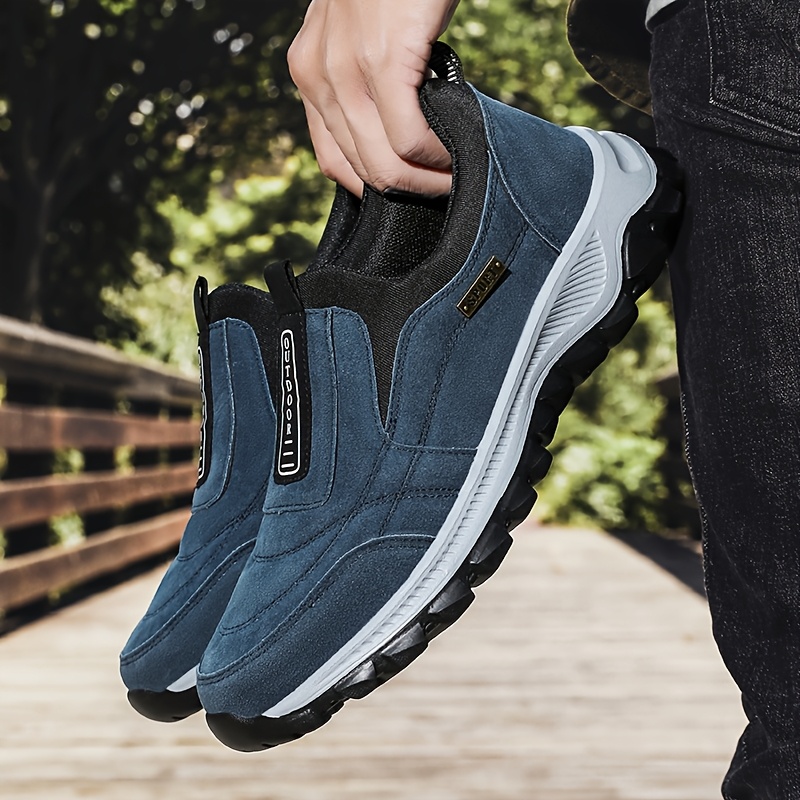
Men’s Large Size Casual Shoes – Slip-resistant, Breathable and Comfortable Business Shoes with Soft EVA Soles and Durable TPR Soles, Suitable for Casual Wear, Hiking and Outdoor Activities, Men’s Casual Outdoors.
click to buy
https://share.temu.com/UV4f46JkdVA
The History of Men’s Shoes in Canada: A Walk Through Time
All men put on shoes depending on the occasion and the funds they have available. From rugged boots to polished dress shoes, the choices men make in footwear often reflect their lifestyle, social setting, and even the economy. In Canada, the story of men’s shoes is as diverse as the landscape, shaped by weather, work, and world trends.
Early Footwear: Fur and Function
In the earliest days of Canadian history, before European contact, Indigenous peoples created footwear that was practical and suited to the environment. Men wore moccasins made from animal hides like moose or deer. These shoes were soft, warm, and flexible—perfect for walking through forests and snow. The design varied across regions, but the purpose was the same: protection and comfort.
When European settlers arrived, they brought their own ideas of shoes—often made of leather, and stiff in design. But they quickly realized their traditional shoes were no match for Canadian winters. Many began to adopt Indigenous designs, and the fur trade helped spread the use of moccasins and fur-lined boots throughout the country.
19th Century: Work Boots and the Rise of Industry
As Canada industrialized in the 1800s, the role of footwear shifted. Men working in lumber camps, mines, and railroads needed durable shoes. Heavy leather boots with steel toes became popular. These boots weren’t stylish, but they were essential.
Shoemakers, or cobblers, were found in nearly every town. Shoes were expensive, often custom-made, and men typically owned only one or two pairs. Wealthier men could afford polished leather shoes for formal events, while working-class men prioritized utility over style.
20th Century: Mass Production and Style
In the 1900s, mass production made shoes more affordable for the average Canadian man. Companies like the Canada West Shoe Manufacturing Company (established in 1931) helped bring quality footwear to the masses. During the World Wars, Canadian soldiers were issued standard-issue military boots, which influenced post-war civilian styles.
By the 1950s and 60s, men began choosing shoes not just for work or weather, but for fashion. Oxfords, loafers, and brogues became common for office workers and professionals. On the other hand, casual shoes like sneakers grew in popularity among younger men.
Still, the rule held true: men picked shoes depending on where they were going and what they could afford. A man might wear leather dress shoes to church, work boots to his job, and sneakers on the weekend.
Late 20th to 21st Century: Diversity and Brand Culture
As global brands entered the Canadian market, choices exploded. Nike, Adidas, Timberland, and Dr. Martens all became household names. Men could now choose shoes that reflected their personal identity—urban, sporty, rugged, or refined.
Canadian-made brands like Pajar, Roots, and Kamik also offered weather-resistant options for harsh winters. Technology improved, too: waterproof materials, advanced soles, and thermal insulation made shoes more functional.
Cost continued to play a major role. While some men splurged on high-end designer shoes, many still looked for durability and price. Thrift stores, outlet malls, and online deals made shoes more accessible to a wider audience.
Today’s Footwear: Function Meets Expression
Today, Canadian men have more choices than ever before. Whether they’re dressing for a job interview, hiking in Banff, or walking in a snowy city like Montreal, shoes are chosen with purpose.
Yet despite the styles and brands, one thing remains true: men still put on shoes depending on the occasion and the funds available. From the fur-lined moccasins of the past to today’s high-tech sneakers, every step tells a story.
Discover more from Lifestyle
Subscribe to get the latest posts sent to your email.
