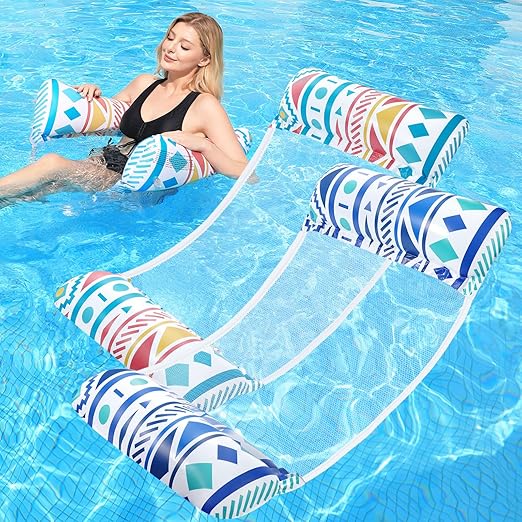
Swimming with floaters is a popular recreational and training activity enjoyed by both children and adults worldwide. Floaters offer support, safety, and confidence to those learning to swim or simply enjoying time in the water. Various types of floaters are used globally, each catering to different age groups, skill levels, and water activities. Below is a review of 10 prominent types of swimming floaters used across the world.
-
Arm Floaties (Water Wings)
These inflatable bands are worn on the upper arms and are perhaps the most iconic swimming aids for young children. They provide buoyancy and allow for arm movement, promoting independence in the water. However, they can slip off or deflate, making them less reliable for long-term safety. -
Swim Vests
Swim vests are foam- or air-filled wearable devices that wrap around the torso, offering more secure buoyancy than arm floaties. They are often used by children and beginner swimmers. Vests help maintain vertical balance and provide more freedom for leg and arm movements compared to rings or boards. -
Kickboards
Used in swim training worldwide, kickboards are flat, buoyant boards that swimmers hold onto while practicing their kicking technique. They are not flotation devices for safety, but effective tools for skill development. Different shapes and sizes cater to beginners and competitive swimmers alike. -
Pool Noodles
These long, cylindrical foam floaters are extremely versatile. They can be used under the arms, across the chest, or as a floating support for games and water exercises. While not designed for safety, they are widely used in leisure swimming and aqua aerobics due to their flexibility. -
Floating Rings (Swim Rings)
Commonly seen in recreational pools, swim rings are inflatable, donut-shaped floaters for sitting or lying on water. Available in various sizes and designs, they are best suited for casual use. For toddlers, versions with leg holes and backrests provide added stability. -
Back Float Pads
Back floaters consist of foam panels strapped to a swimmer’s back, encouraging a horizontal swimming posture. Often used in swim instruction for young learners, these floaters help improve balance and kicking. They allow gradual reduction of foam layers as swimmers build confidence. -
Baby Neck Float Rings
Designed for infants, these floaters support the baby’s head above water while allowing the body to float freely. Popular in countries like China and Russia, neck floaters are controversial due to safety concerns, although many parents find them useful for supervised water play. -
Swim Belts
Consisting of foam blocks attached around the waist with a strap, swim belts are used for training and aqua fitness. They help maintain a buoyant vertical or horizontal position in the water. Swim belts are especially popular among beginner swimmers and water therapy patients. -
Inflatable Loungers
These large floaters resemble floating beds or recliners and are used primarily for relaxation. While not intended for swim training or safety, they are common in pools and calm waters. Features like cup holders and adjustable backs make them a luxury floating choice. -
Hydrotherapy Floatation Devices
Used in medical and rehabilitation settings, these specialized floaters provide buoyancy to specific body parts during water therapy. Common types include ankle floats, cervical collars, and flotation mats. They support therapeutic movements and help in muscle relaxation and pain relief.
Each of these floater types serves a unique purpose, whether for training, leisure, or therapy. Factors like age, skill level, intended use, and water conditions influence the choice of floater. As swimming continues to be a global activity, the diversity in floater design ensures that there’s a suitable option for everyone entering the water.
Discover more from Lifestyle
Subscribe to get the latest posts sent to your email.
